

Why is Waste Management not our Cultural Heritage anymore?
Where I come from, is a small village in Himachal Pradesh. I grew up seeing both my nani and dadi collect all their kitchen waste and segregate it as and when produced. The vegetable peels went to the basket kept for feeding the cattle, onion peels and other such non edible items went to another basket that would be dumped near a cow dung heap referred to as “Malyud” in the local language (A Malyud is where kitchen waste is mixed with cattle dung and coverts to manure over time, with some daily mixing. It is mostly located at a distance from the house, near the fields, or in the backyard for the kitchen garden), left over food was also fed to the cattle and hence managing all organic waste effeciently.
All worn out clothes found a new life in the form of a “Khandolu” ( usable pieces of old clothes stitched together and filled with bits of cloth cuttings or cotton)

, or “Baithku” (old cloth strips woven together to form a seating mat)
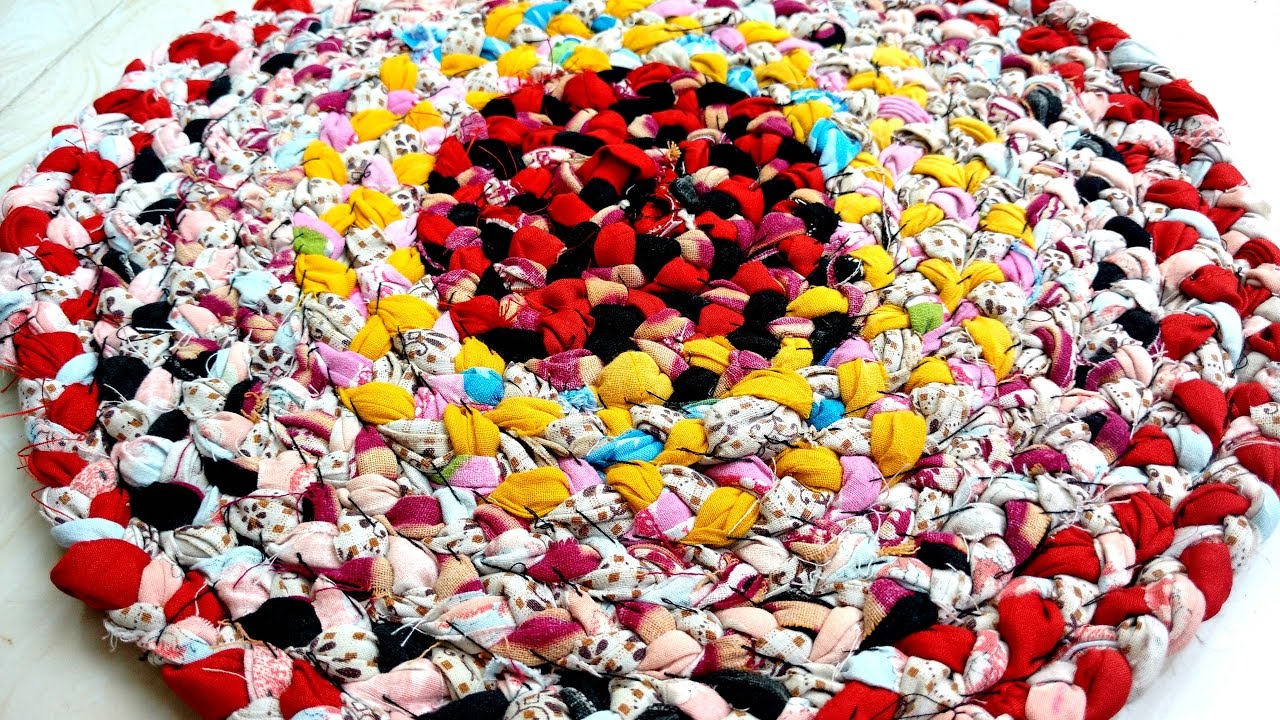
, or a “Binna” (a doughnut shaped padding to carry water in Ghara on heads) and so on..
Since there were no toilets, people would dig pits in the farms and then cover them with the same mud after their daily rituals. Utensils were washed with ash and the outlet of the washing area led to vast fields full of plantations only to add on to the nutrients of the soils (it didn’t matter much pollution wise, because the population density was pretty low back then).
The plates used for serving in gatherings and festivities were “pattals” made up of leaves stitched together with wooden pins. (Completely organic)

This was the norm in almost all households and hence, there was very little for the panchayat to do in terms of waste management.
Even the plastic waste was taken care of at the household level itself. I remember my great grand mother going around with her hunched back, collecting plastics from the hill slopes. She would bring heaps back home, wash and dry them and then weave them together to make “binnas” (seating mats). She also sold them to people at times.
Wasn’t this the kind of self awareness that everybody had?
Now we have everything in plenty- People, their waste and their ignorance, but the capacity of nature and its systems, to clean this filth is exhausted.
All our lifelines- the rivers and lakes are flowing with sewage. Be it Udaipur, Ooty, Bhopal, Raipur or any lake in an indian city, there is sewage being illegaly (not that no one knows) dumped in it. Ganga is dying in our filth, Yamuna has froth floating over it. There is plastic everywhere. If you happen to witness a dust storm here in Delhi, you will see plastic bags and other trash soaring high all around you…
Every now and then, we read of some group somewhere, all determined to collect heaps of plastic bottles and wrappers, be it the Everest foothills, or any other trek route, or tourist spot. Because we, as a society are so inapt, that we cannot take care of our waste ourselves at all.

Why is segregation of waste at an individual household level such a difficult task? Why is not littering around so difficult? Why do we willfully choke our water bodies with our waste to only spend more resources on its treatment and purification , to drink it again (or may be the filth of an upstream area, because someone is drinking our shit eventually).
How is it that these basics that sustain a living environment are nowhere to be found in the cultural heritage that we all wish (yes just wish) to boast of.


 That's how I do it